The Rise of YouTube Converters
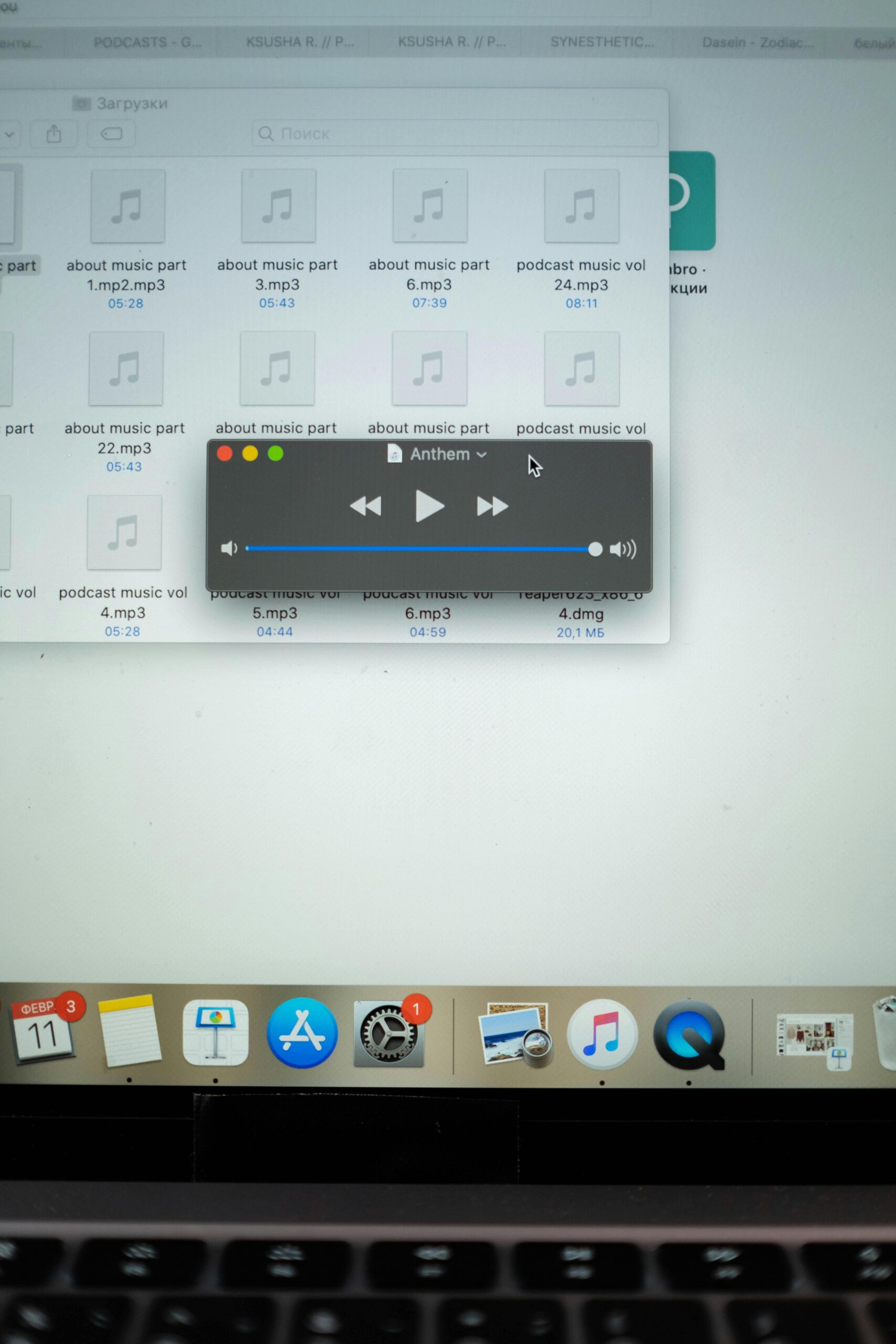
The digital age has brought about a plethora of tools designed to make our lives easier, and YouTube converters are no exception. These tools have evolved significantly over the years, from simple scripts to sophisticated software capable of converting videos into various formats with just a few clicks. The primary function of a YouTube converter is to download and convert YouTube videos into different formats such as MP4, MP3, AVI, and more. This has made it easier for users to enjoy their favorite content offline, on different devices, and in various qualities.
The rise of YouTube converters can be attributed to the increasing demand for flexibility and convenience. Users want to watch their favorite videos without buffering issues, download them for offline viewing, or extract audio for personal use. This demand has led to the development of numerous YouTube converters, each with its own set of features and capabilities. However, it’s important to note that while these tools offer convenience, they also raise ethical and legal questions that need to be addressed.
The Technology Behind YouTube Converters
YouTube converters use a combination of technologies to achieve their goals. At the core of these tools is the ability to extract video and audio streams from YouTube. This is typically done using a process called ‘stream ripping,’ where the tool intercepts the video stream and saves it to a file. The converter then processes this file to extract the audio and video components, which are then encoded into the desired format.
One of the key technologies used in YouTube converters is FFmpeg, a powerful multimedia framework that can decode, encode, transcode, mux, demux, stream, filter, and play almost anything that humans and machines have created. FFmpeg is often used in conjunction with other tools and libraries to provide the full range of conversion options. Additionally, YouTube converters may use web scraping techniques to extract metadata such as titles, descriptions, and tags, which can be useful for organizing downloaded content.
Another important aspect of YouTube converters is their user interface. While some tools are command-line based and require a certain level of technical expertise, others offer a graphical user interface (GUI) that makes them accessible to a wider audience. The GUI typically includes options for selecting the output format, quality, and other settings, as well as a progress bar to monitor the conversion process.
The Role of AI in YouTube Converters
Artificial Intelligence (AI) is playing an increasingly important role in the development of YouTube converters. AI algorithms can be used to analyze the content of a video and automatically select the best settings for conversion. For example, an AI-powered converter might be able to detect the presence of speech in a video and automatically extract the audio as an MP3 file. Similarly, AI can be used to enhance the quality of the converted video, for example by upscaling the resolution or improving the color balance.
AI can also be used to improve the user experience of YouTube converters. For example, an AI-powered converter might be able to learn from the user’s preferences and automatically select the desired output format and quality. Additionally, AI can be used to provide personalized recommendations for other videos or tools that the user might find useful. However, it’s important to note that the use of AI in YouTube converters also raises privacy and security concerns that need to be addressed.
The Ethical and Legal Implications of YouTube Converters
The use of YouTube converters raises a number of ethical and legal questions. On the one hand, these tools can be used for legitimate purposes, such as downloading educational content for offline viewing or extracting audio for personal use. On the other hand, they can also be used for illegal purposes, such as pirating copyrighted content or distributing it without the permission of the copyright holder.
From a legal perspective, the use of YouTube converters is a gray area. While it is generally legal to download a video for personal use, it is illegal to distribute it without the permission of the copyright holder. Additionally, some YouTube converters may violate YouTube’s terms of service, which prohibit the downloading of videos without explicit permission. As a result, users of YouTube converters should be aware of the legal risks and take steps to protect themselves, such as using reputable tools and respecting copyright laws.
From an ethical perspective, the use of YouTube converters is a matter of personal judgment. Some argue that these tools are necessary for accessing content that would otherwise be unavailable, while others argue that they undermine the rights of content creators and contribute to the spread of piracy. Ultimately, the ethical implications of YouTube converters depend on how they are used and the intentions of the user.
The Future of YouTube Converters
The future of YouTube converters is likely to be shaped by a number of factors, including technological advancements, legal developments, and changes in user behavior. As AI and other technologies continue to evolve, we can expect YouTube converters to become more powerful and sophisticated. For example, AI-powered converters might be able to automatically transcribe the audio of a video and generate a searchable index, making it easier for users to find and access the content they need.
However, the future of YouTube converters will also be influenced by legal and ethical considerations. As copyright laws and YouTube’s terms of service continue to evolve, it is possible that the use of YouTube converters will become more restricted. Additionally, as users become more aware of the ethical implications of these tools, they may be more likely to use them responsibly and respect the rights of content creators.
In conclusion, YouTube converters are a powerful tool that offers a range of benefits and opportunities. However, they also raise important ethical and legal questions that need to be addressed. As these tools continue to evolve, it will be important for users, developers, and policymakers to work together to ensure that they are used in a way that is fair, responsible, and respectful of the rights of all parties involved. For those interested in the intersection of technology and marketing, exploring resources like danimarka sosyal medya reklamcılığı güncel can provide valuable insights into current trends and best practices.
Delve into the evolving landscape of digital communication with our latest feature, technology’s social media impact, examining the intricate relationship between cutting-edge tech and online platforms.